
Tag: CBSE Class 12
-
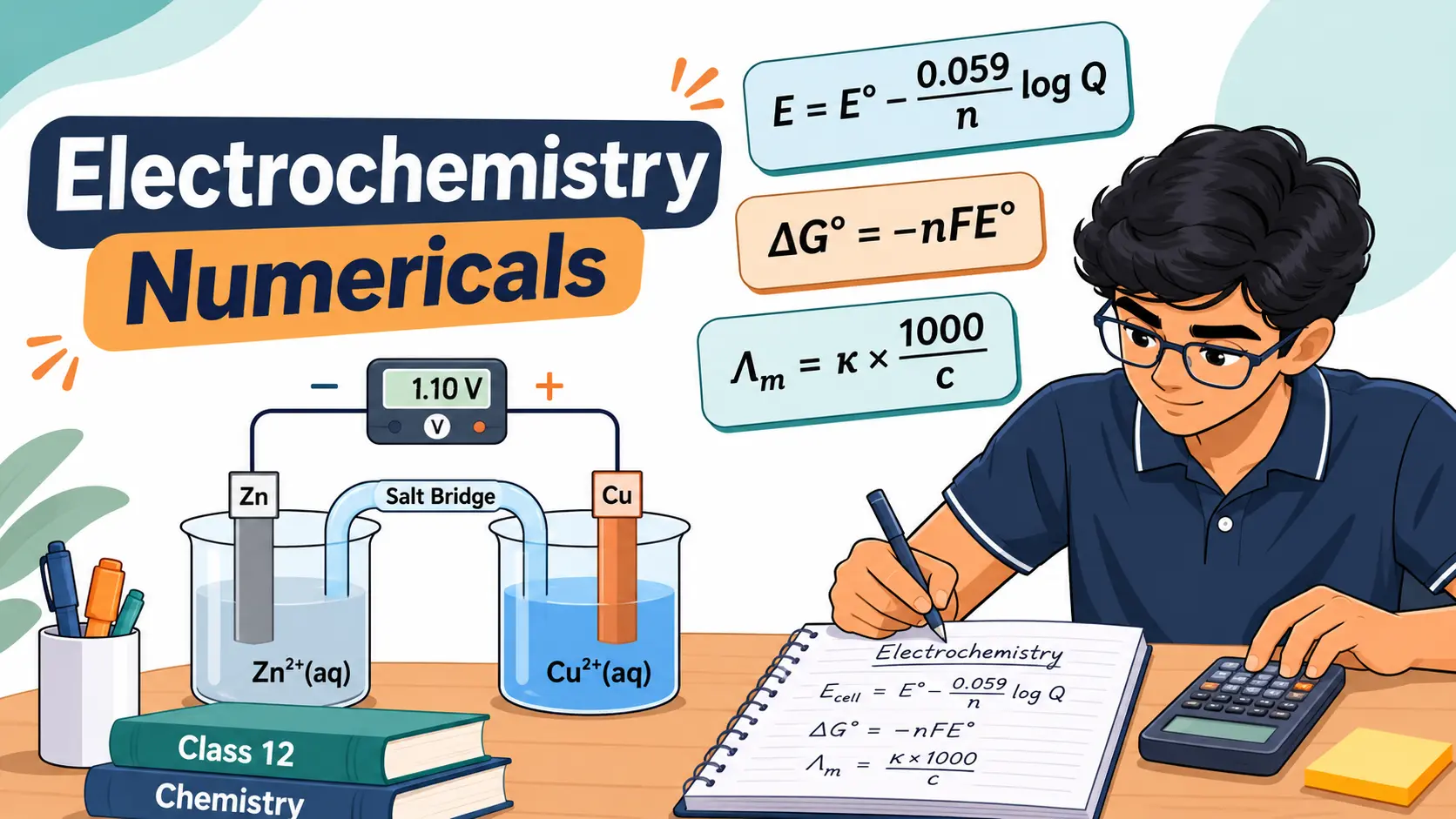
Class 12 Chemistry Electrochemistry: Nernst Equation, Conductance and Numericals Made Easy
Electrochemistry is the chapter where Class 12 Chemistry turns into maths. The theory is short, but almost every board paper asks you to calculate something: a cell’s EMF, the Gibbs energy of a reaction, a molar conductivity or the mass of metal deposited in electrolysis. Students who know the formulas but haven’t practised the steps…
-

Spaced Repetition for Students: Building a Flashcard Revision System with Anki
You revise a chapter on Sunday, feel confident, and by the next Saturday half of it has gone. That isn’t a sign of a weak memory — it’s how forgetting works for everyone. The fix isn’t revising more hours; it’s revising at the right moments, just before you would forget. This tutorial explains spaced repetition…
-
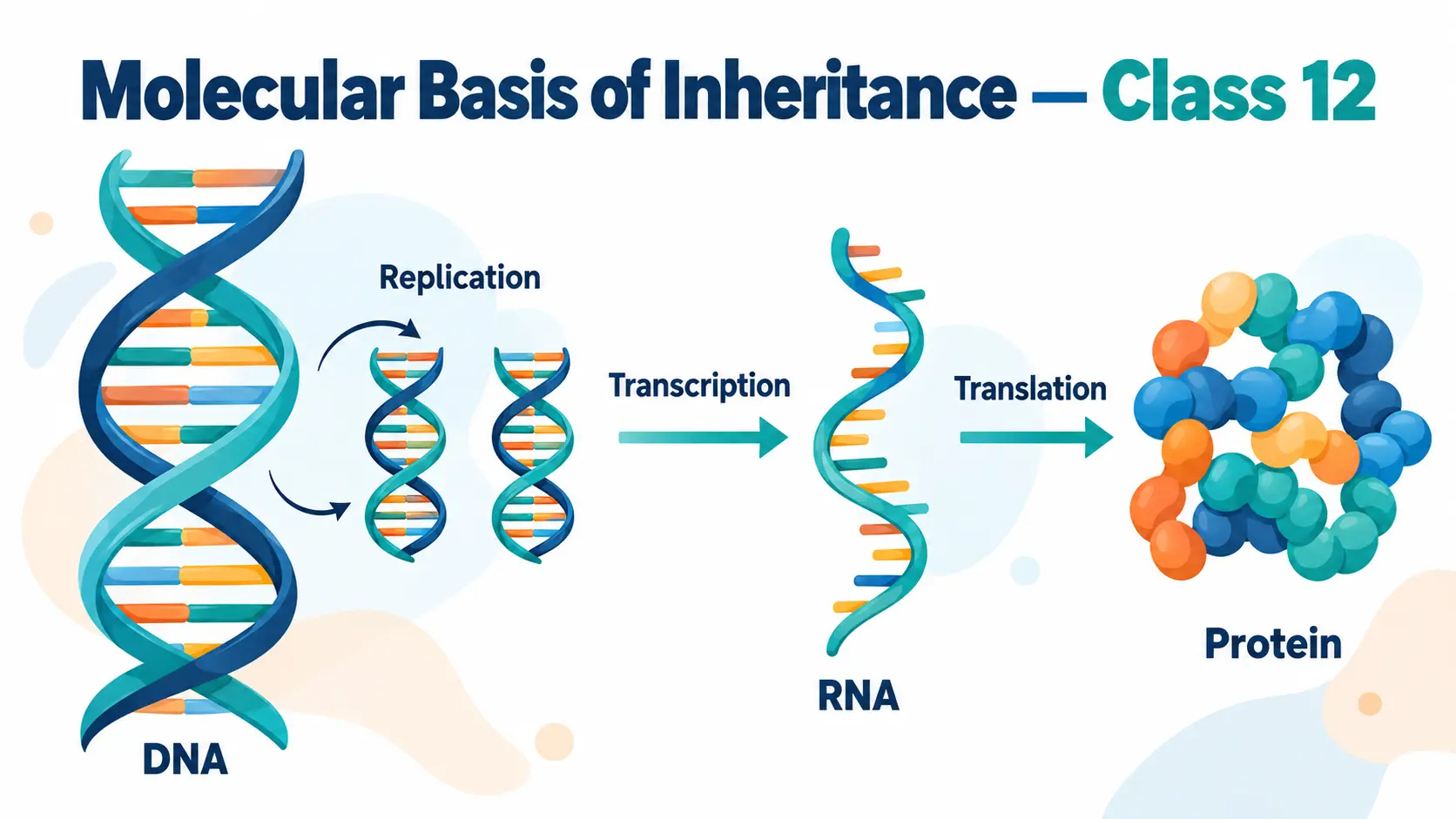
Class 12 Biology: Molecular Basis of Inheritance Without the Confusion
Molecular Basis of Inheritance is the chapter where Class 12 Biology suddenly feels like chemistry. Strands run in opposite directions, enzymes only work one way, and three processes — replication, transcription and translation — sound alike but follow different rules. Most of the confusion comes from mixing those three up. These molecular basis of inheritance…
-

Class 12 Accountancy: Admission of a Partner Explained Step by Step
Admission of a partner is the chapter where Class 12 Accountancy stops being about one firm and starts being about change. A new partner joins, and suddenly you’re working out a new profit-sharing ratio, compensating the old partners for goodwill, revaluing the assets and adjusting every capital account — usually inside a single 6-mark question.…
-
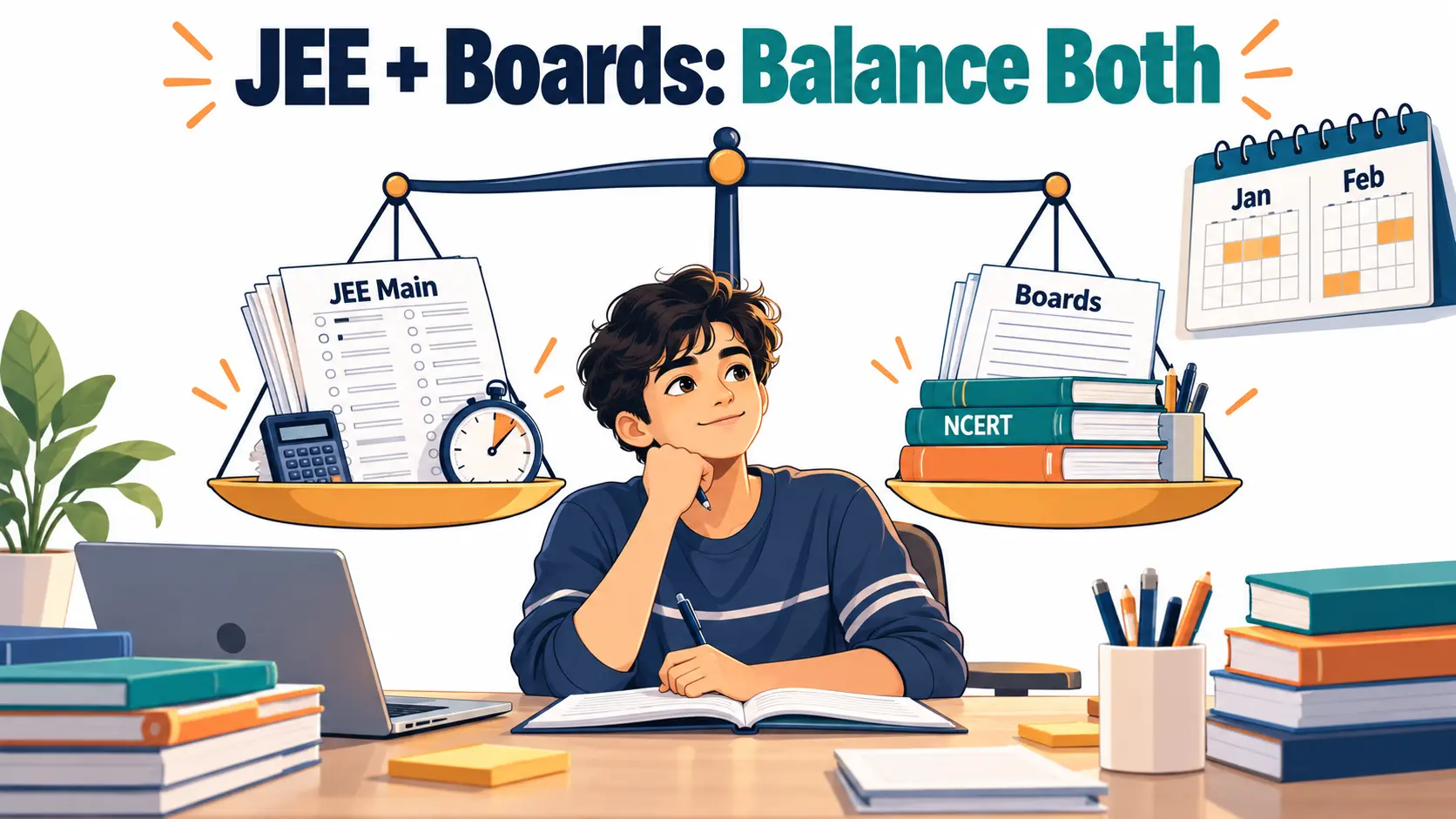
JEE Main 2027 and Class 12 Boards: How to Prepare for Both Without Burning Out
If you’re a Class 12 Science student taking JEE Main 2027, the next six months ask you to run two races at once. JEE Main Session 1 lands in late January, CBSE board theory papers follow from February, and pre-boards sit right before both. Many students respond by studying longer every day, which works for…
-
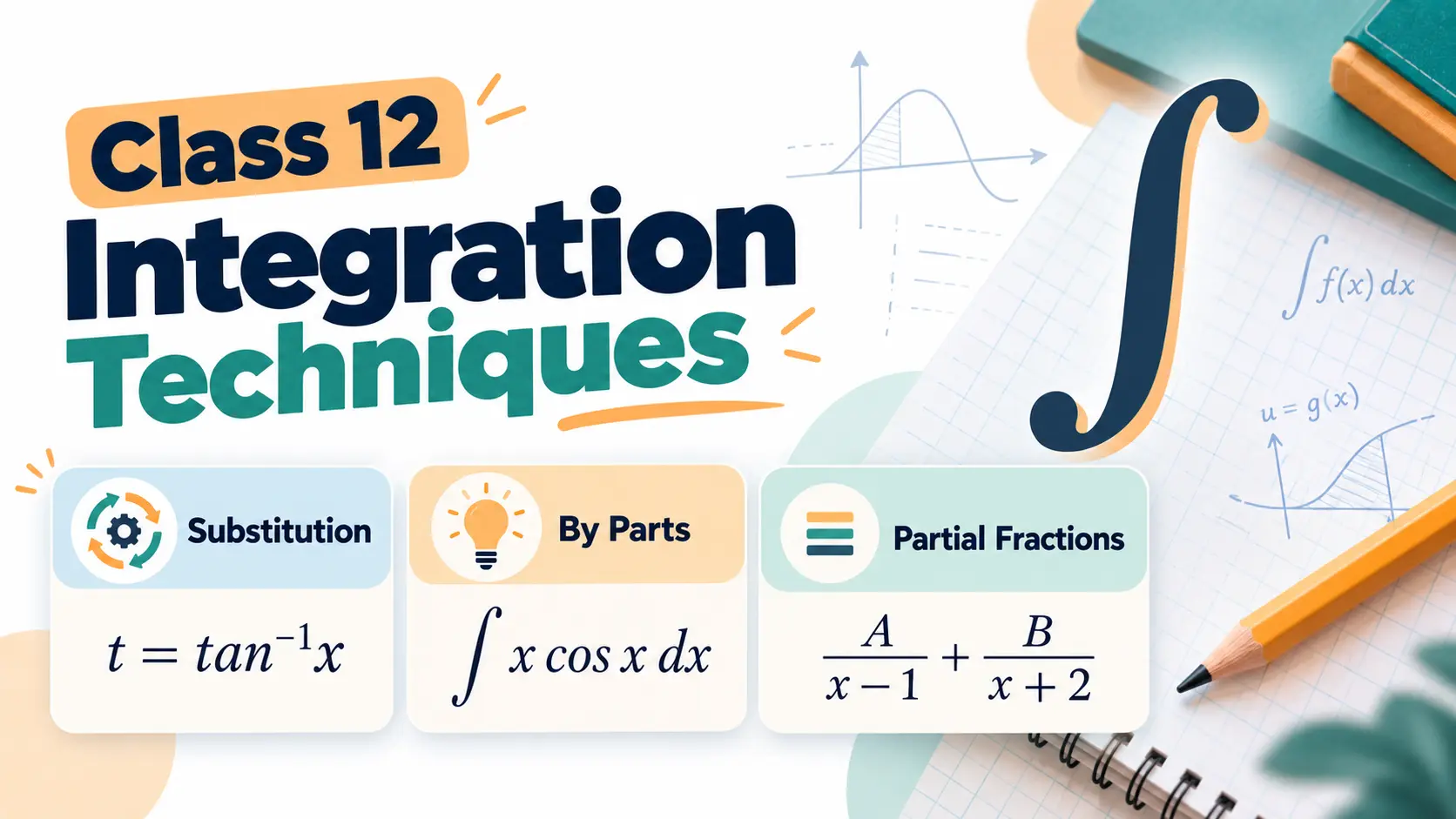
Class 12 Maths Integration Made Simple: Substitution, By Parts and Partial Fractions
Integration is where many Class 12 students start losing confidence in Maths. The rules look simple, but every question seems to need a different trick — and when you can’t spot which one, you’re stuck before you’ve written a line. The good news is that almost every NCERT integral uses one of three methods: substitution,…
-
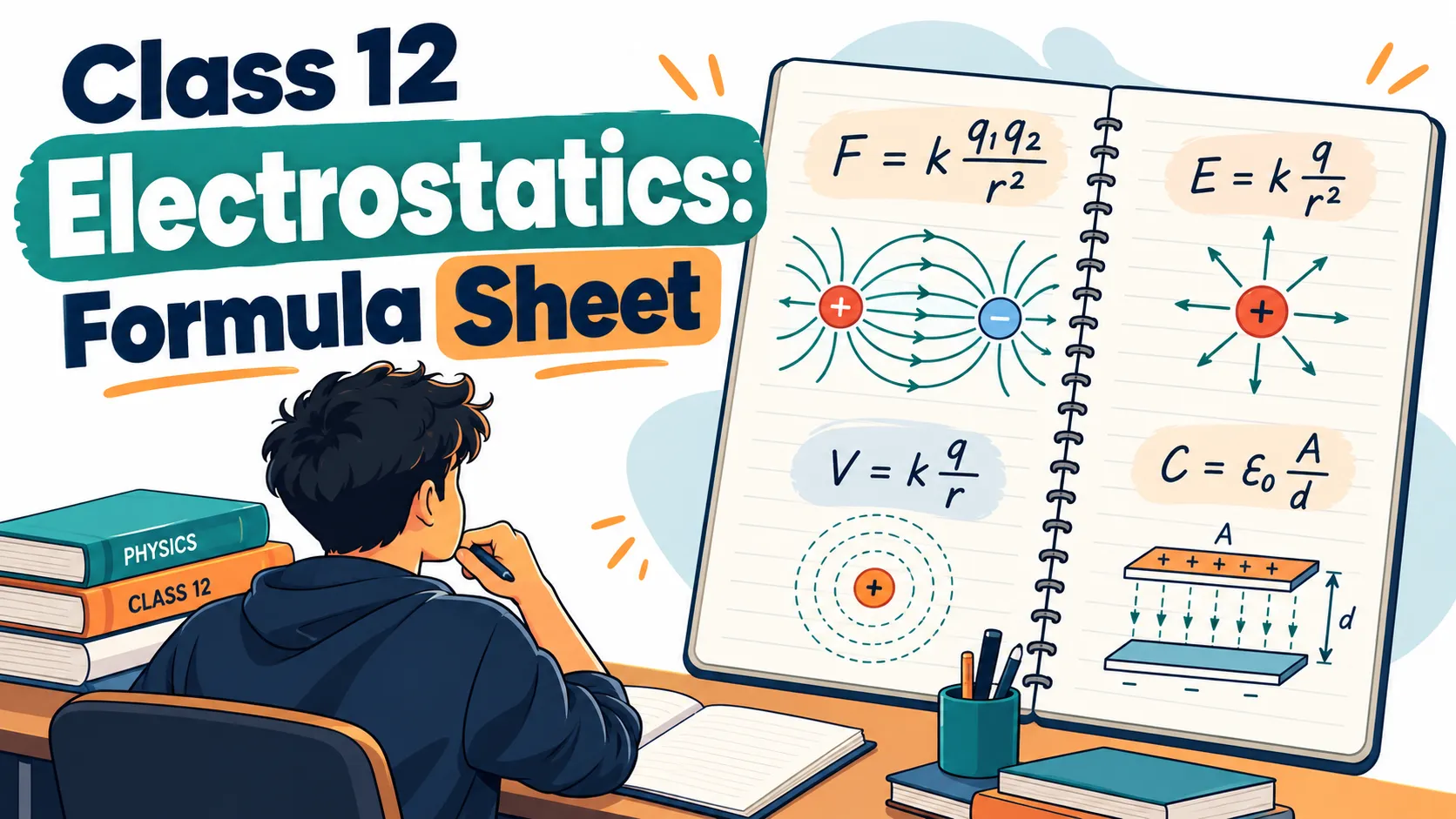
Class 12 Physics Electrostatics: Formula Sheet and the Question Types That Keep Coming Back
Electrostatics opens the Class 12 Physics textbook, and it’s one of the most predictable parts of the board paper. The same derivations, the same Gauss’s law applications and the same capacitor numericals turn up year after year — only the numbers and the wording change. Once you know what’s coming, it’s one of the easiest…
-
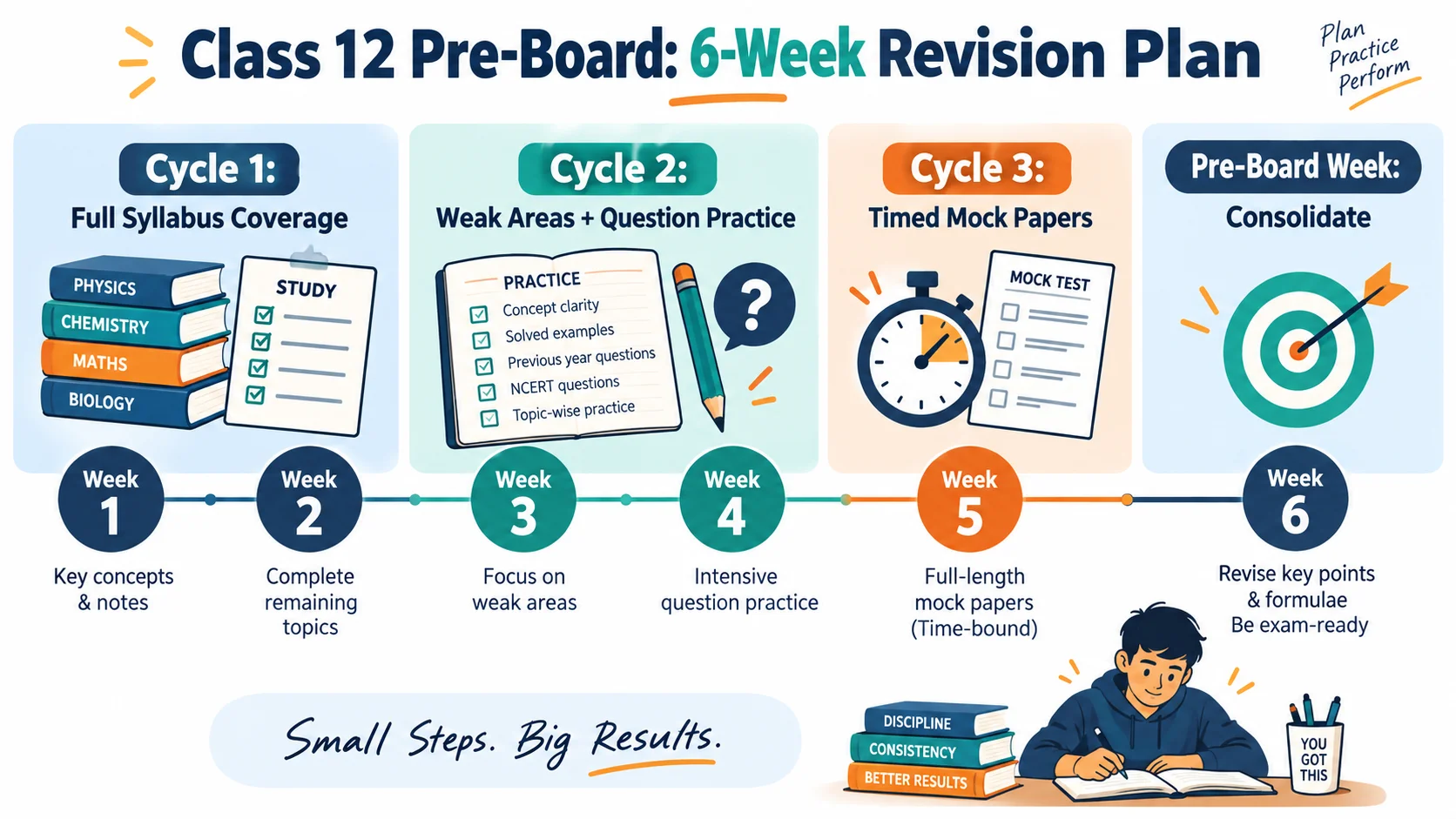
Class 12 Pre Board Exam Preparation: 6-Week Revision Plan
Pre-boards are the closest thing you’ll get to the CBSE Class 12 board exam before February: same syllabus, same paper pattern, same three-hour pressure — but the marks don’t go on your final certificate. That makes them the best dress rehearsal you have, as long as you’ve revised the whole syllabus, not just the chapters…
-
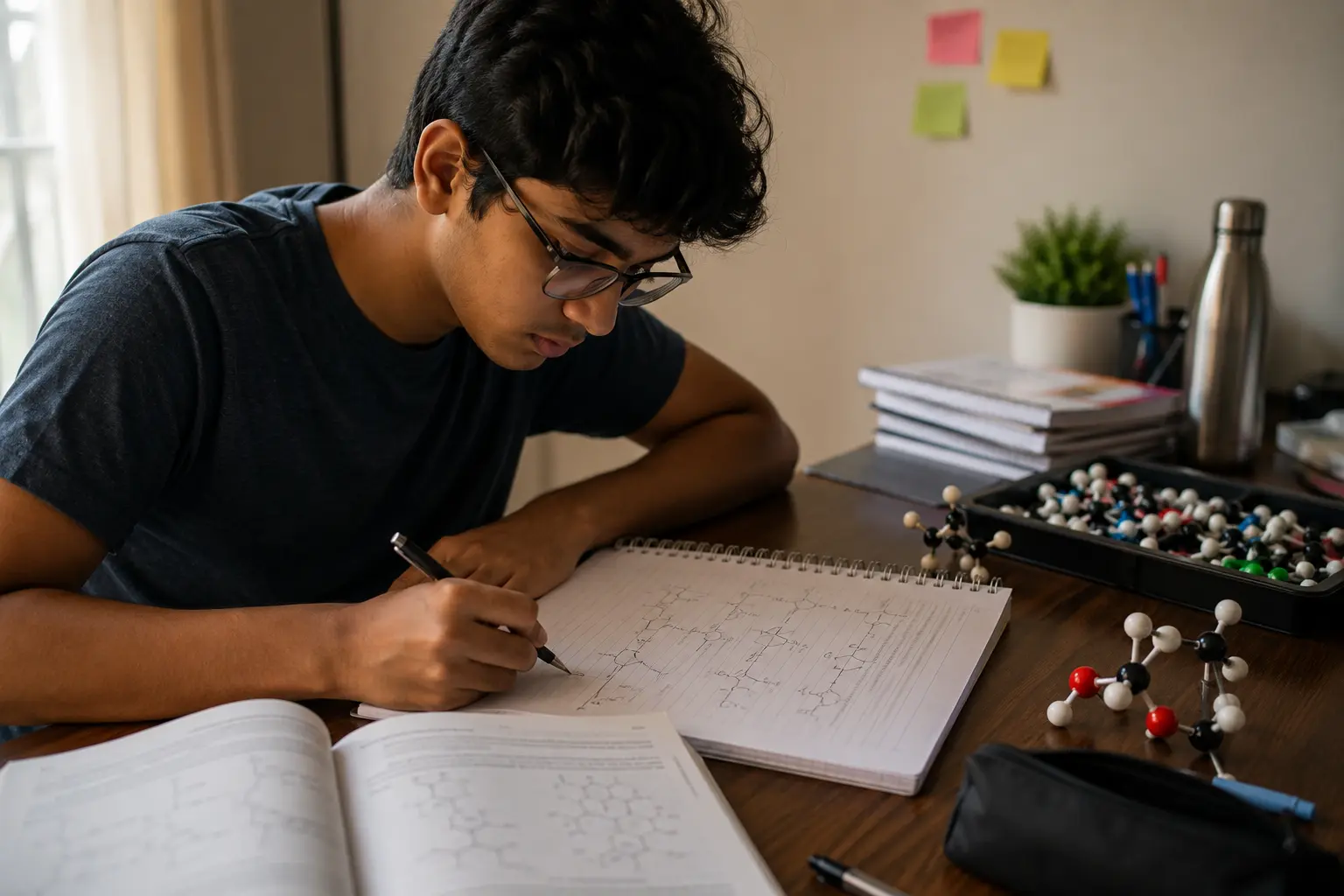
NCERT Class 12 Chemistry: Organic Chemistry Reaction Mechanisms Made Simple
Organic chemistry has a reputation among Class 12 students for being the part of the syllabus where marks either come easily or disappear fast — and it usually comes down to one thing: mechanisms. Once you can actually follow what happens to electrons and atoms, step by step, named reactions stop being a memorization task…